The Dollar Bills Banks Can Refuse, and the Dollar Stablecoins They Can't
From cashing in banknotes to on-chain redemption, stablecoins are redefining how dollars move and who has the right to redeem them
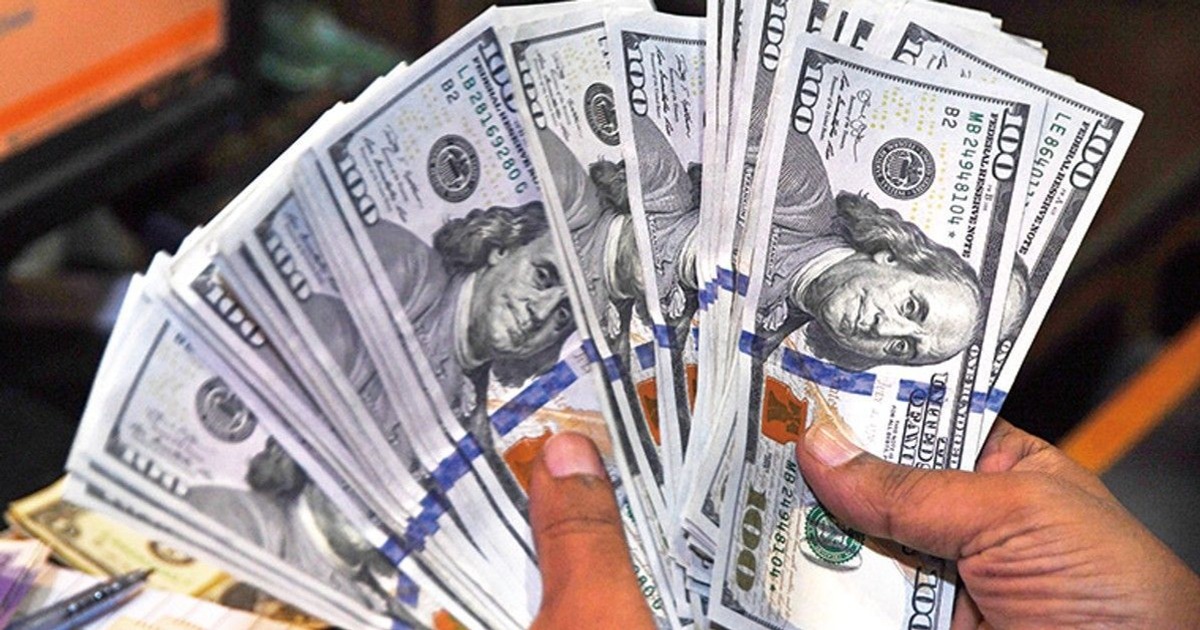
Stablecoins are having a moment, and most of the talk is about cheaper transfers and faster settlement. What I care about is something else: who has the right to redeem dollars and other foreign currencies. Financial progress is rarely about assets changing their form; more often, it is the infrastructure underneath that gets replaced.
I came to this through a currency exchange. Not long ago I took some US dollar bills left over from a trip to a private bank to change them back into New Taiwan dollars. The teller asked for my exchange receipt and in the end turned me away because the notes had "not been sold by this bank". Bank of Taiwan, by contrast, took them without a second thought. I spent a long time wondering why the same dollar bills were treated so differently, and eventually realised that the difference lies not in the law, but in discretion.
Under the Central Bank of the Republic of China (Taiwan) Act, only the New Taiwan dollar is legal tender in Taiwan. Banks have never been obliged to accept US dollars; dollar bills are closer to a commodity. The same dollar in fact wears several hats here. Legal tender status belongs only to the NT dollar. A licence as an authorised foreign exchange bank is simply permission to deal in foreign currency. The ones that actually carry a settlement obligation are the clearing banks on the central bank's foreign currency settlement platform. US dollars are cleared by Mega International Commercial Bank, and Bank of Taiwan and others are also designated clearing banks, but that obligation is owed only to platform members and stops at the wholesale level. As redemption moves up the chain, it turns from discretion into obligation, yet it never reaches ordinary people.
That is the gap stablecoins fill. Some twenty years ago the internet redefined how information flows; now it is the stablecoin's turn to redefine how dollars flow. Issuers must redeem at par, one for one, for any holder, with no picking and no refusing. The GENIUS Act in the United States and Taiwan's Virtual Asset Service Act, passed in June, both write this obligation into law. For the first time, clearing-grade redemption is in the hands of retail users. Whether Bank of Taiwan can refuse my banknotes is up to Bank of Taiwan; whether a stablecoin can refuse redemption is up to the law.
This is the race of the next decade, and what matters is not who holds the most dollars, but who builds the infrastructure for digital dollars first. If Bank of Taiwan, which cheerfully took my dollar bills, and Mega Bank, which clears US dollars, are willing to take their clearing role on chain, Taiwan need not remain just a user of foreign exchange. The right to redeem is being redistributed, and the question worth asking this time is how Taiwan can play the part of a financial centre.